 University of North Texas

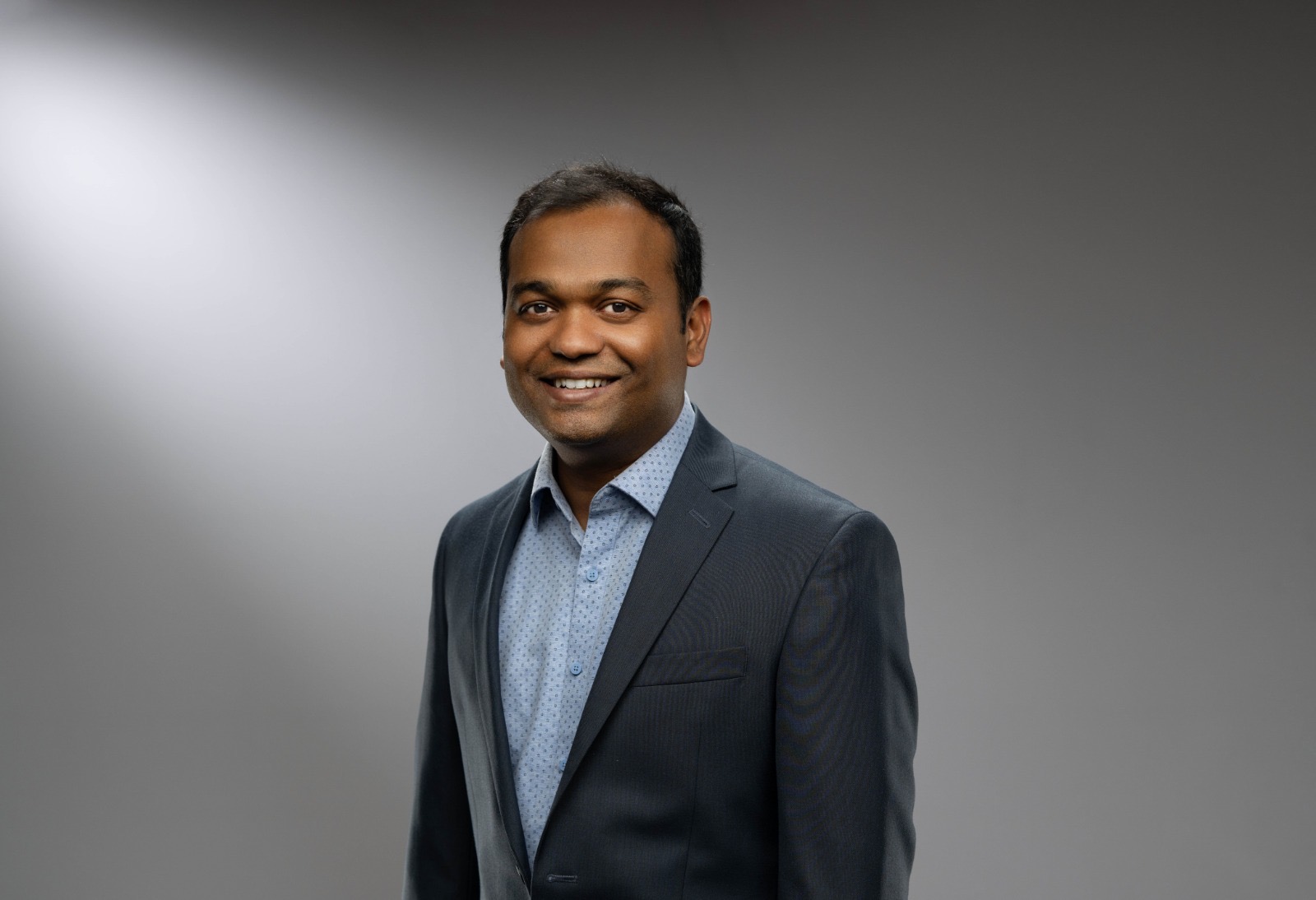
The UNT College of Science is pleased to welcome Dr. Karthikraj Rajendiran to the chemistry department as Assistant Professor.
The UNT College of Science is pleased to welcome Dr. Karthikraj Rajendiran to the
chemistry department as Assistant Professor! Dr. Rajendiran’s background and experience
in research, government, industry, and academic sectors gives him a unique understanding
of the experiences his students need to succeed. He will be teaching Forensic Chemistry
classes in spring 2027 and adding additional classes in Analytical Chemistry and Instrumental
Analysis in the future.
 “I believe that my role as an educator is to create an inspiring and interactive environment
that will best transfer knowledge and ideas to the future generation,” said Dr. Rajendiran.
“My classes are open to discussions that enable students to think critically and learn
to communicate effectively.”
“I believe that my role as an educator is to create an inspiring and interactive environment
that will best transfer knowledge and ideas to the future generation,” said Dr. Rajendiran.
“My classes are open to discussions that enable students to think critically and learn
to communicate effectively.”In his new UNT laboratory in the Science Research Building, Dr. Rajendiran uses mass spectrometers and
other analytical instruments to understand the role and effects of both endogenous
and exogenous chemicals on human health. His research work sits at the intersection
of analytical chemistry and human health, and centers on the "exposome,” or the totality
of environmental chemical exposures a person accumulates over a lifetime, and how
that exposure burden contributes to disease. He also uses high-resolution mass spectrometers
for various forensic chemistry and toxicological applications, including fingerprinting
and rapid screening of drugs and other toxicants.
“Some of the practical implications of my work include identifying which everyday
chemicals (PFAS, plastic-related compounds, endocrine disruptors) measurably raise
the risk of musculoskeletal decline and neurodegeneration, and pinpointing the biological
mechanisms using OMICs approach,” explained Dr. Rajendiran, whose interdisciplinary
research requires the collaboration of epidemiologists, toxicologists, and clinicians,
both nationally and internationally. “This matters for two reasons: it gives clinicians
and public health agencies biomarkers that could enable early detection of disease
before symptoms appear, and it gives regulators and policymakers evidence to prioritize
which chemicals most warrant exposure limits or bans, particularly for vulnerable
groups such as children and older adults. The ultimate long-term goal is to protect
human and environmental health.”
Dr. Rajendiran said that the academic reputation and R1 status of the University of
North Texas first caught his attention, but that he also appreciated UNT for the diversity
of the community, research facilities and welcoming campus. He enjoys learning new
languages and his advice to student is this: “Never stop learning; there is always
room to grow and evolve!”